
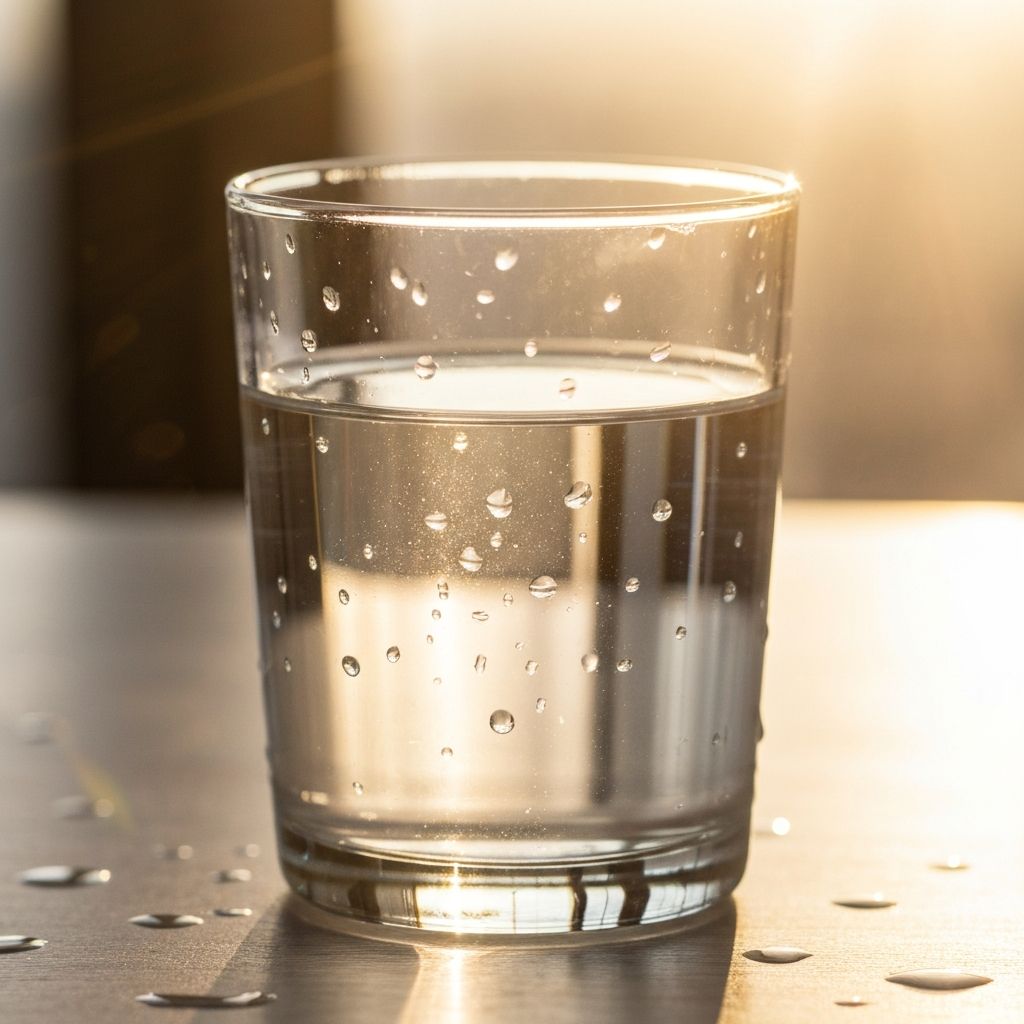
Water: The Essential Foundation
If nutrition provides the building blocks for joint health, water is the medium in which all joint function occurs. Human bodies are approximately 60% water, and virtually every physiological process depends on adequate hydration. For joint health specifically, water plays multiple critical roles that cannot be overstated.
Cartilage is approximately 80% water. This water content is essential for cartilage's mechanical properties—its ability to absorb shock and facilitate smooth movement. Without adequate hydration, cartilage becomes less resilient and more prone to damage.
Synovial Fluid and Joint Lubrication
Synovial fluid, the viscous liquid that lubricates joints, is largely composed of water along with proteins and other compounds. This fluid reduces friction between joint surfaces, enables smooth movement, and contributes to nutrient delivery to cartilage tissues.
When systemic hydration is adequate, the body produces sufficient synovial fluid, which directly supports joint function and the smooth, painless movement that is characteristic of healthy joints. Conversely, dehydration can reduce synovial fluid production, potentially affecting joint mobility.
Nutrient Transport and Waste Removal
Cartilage is avascular—meaning it has no blood vessels—so it depends on diffusion through synovial fluid for nutrient delivery and waste removal. This process requires adequate hydration to function efficiently. Water carries dissolved nutrients to joint tissues and removes metabolic waste products that accumulate during activity.
Dehydration can impair these transport processes, potentially compromising joint tissue nutrition and creating an environment where waste products accumulate, affecting joint function.
Muscle Function and Joint Support
The muscles that support joints are approximately 75% water. Proper hydration is essential for muscle function, strength, endurance, and recovery. Well-hydrated muscles provide better support and stabilization for joints, reducing compensatory stress and injury risk.
During exercise, muscle hydration becomes even more critical. Even mild dehydration impairs muscle performance and increases fatigue, potentially affecting movement quality and joint mechanics.
Inflammation and Recovery
Water plays important roles in inflammatory processes and tissue recovery. Adequate hydration supports the body's natural inflammatory response to exercise and tissue damage, enabling proper healing and adaptation. It also facilitates the removal of inflammatory byproducts and metabolic waste.
The balance of water and electrolytes is particularly important for managing inflammation and supporting recovery from physical activity.
How Much Water is Needed?
The amount of water needed varies based on individual factors including body size, activity level, climate, and overall health status. A common recommendation is approximately 8-10 glasses (64-80 ounces) daily, though individual needs vary considerably.
A practical approach is to drink enough water that urine remains pale yellow throughout the day, which indicates adequate hydration. During physical activity, needs increase and should be met with appropriately timed fluid intake.
Water Quality and Electrolyte Balance
While pure water is essential, the balance of electrolytes (sodium, potassium, magnesium, calcium) is equally important. These minerals regulate fluid balance, muscle function, and numerous physiological processes. A diet containing fruits, vegetables, and minimally processed foods typically provides adequate electrolytes.
For intense or prolonged physical activity, sports beverages containing water, electrolytes, and carbohydrates may be beneficial for maintaining performance and hydration status.
Hydration and Other Wellness Factors
Hydration works synergistically with other factors supporting joint health. Adequate water intake enables efficient nutrient absorption from diet, facilitates the action of herbal compounds and supplements, and supports the chemical processes that enable movement and recovery.
Without adequate hydration, even optimal nutrition and supplementation may not achieve their full potential effects. Hydration is truly foundational.
Practical Hydration Strategies
Developing consistent hydration habits ensures adequate water intake throughout the day. This might include drinking water with meals, maintaining a water bottle during activities, and responding to thirst cues.
Setting reminders, tracking intake, or establishing regular drinking times helps ensure consistency, particularly for individuals who may not naturally attend to thirst signals.
Back to Blog